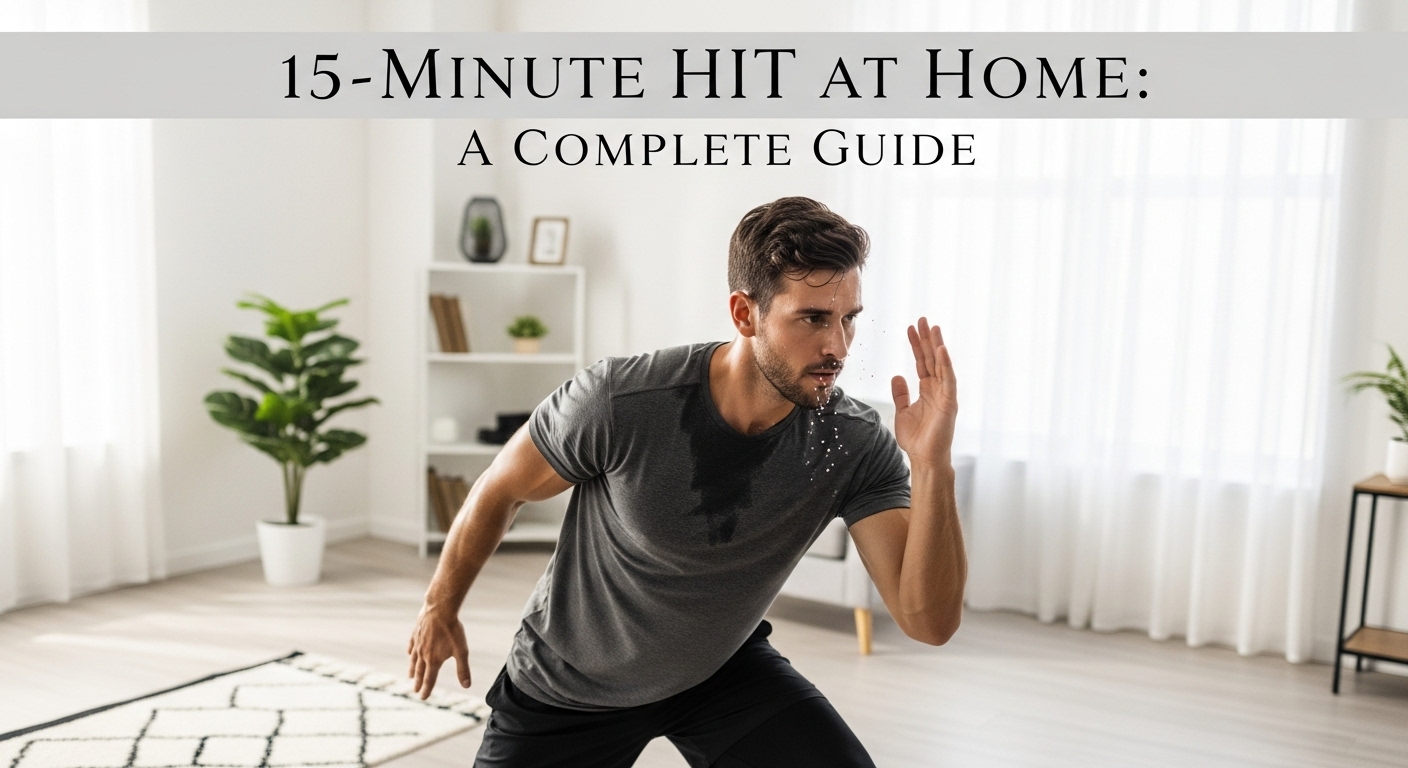
A 15-minute HIT (High-Intensity Interval Training) workout at home combines short bursts of intense effort with brief rest periods to improve cardiovascular health, burn calories, and build strength efficiently. No equipment is needed—just space, consistency, and focus on form.
What Is a 15-Minute HIT Workout?
A 15-minute HIIT workout is a short, time-efficient training session that alternates between high-intensity exercises and short rest intervals. It can be performed anywhere and typically includes bodyweight movements like squats, push-ups, and burpees.
Key Features
- Duration: 15 minutes
- Structure: 20–40 seconds work, 10–20 seconds rest
- Focus: Full-body engagement and cardio intensity
- Equipment: None required
Why Choose HIT for Home Workouts?
Research shows that HIIT can offer similar benefits to longer moderate workouts in less time. According to a 2020 Sports Medicine review, just 15 minutes of HIIT can improve cardiovascular endurance and metabolic health when performed regularly.
Main Benefits
- Efficient calorie burn in limited time
- Boosts metabolism even after exercise (EPIC effect)
- Improves heart and lung function
- Enhances muscular endurance and coordination
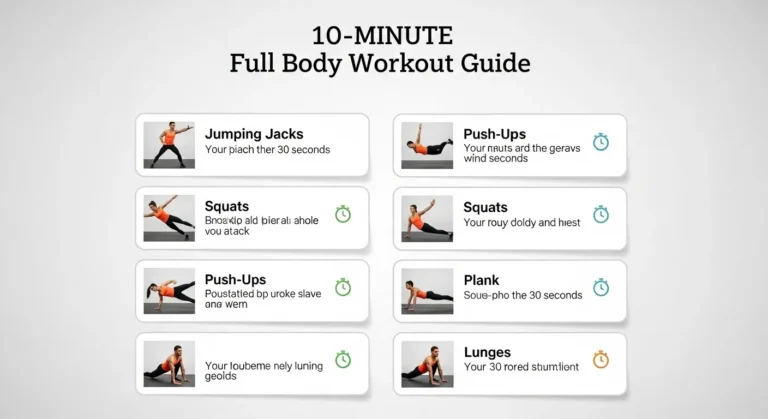
Example: 15-Minute Full-Body HIT Routine
| Round | Exercise | Duration | Rest |
|---|---|---|---|
| 1 | Jump Squats | 40 sec | 20 sec |
| 2 | Push-Ups | 40 sec | 20 sec |
| 3 | Mountain Climbers | 40 sec | 20 sec |
| 4 | Plank Shoulder Taps | 40 sec | 20 sec |
| 5 | Jump Lunges or Reverse Lunges | 40 sec | 20 sec |
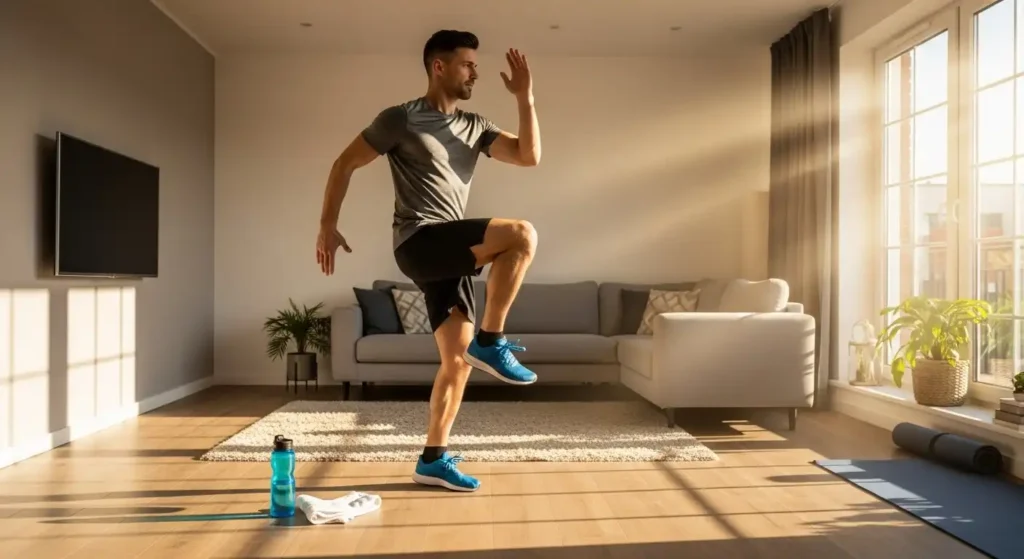
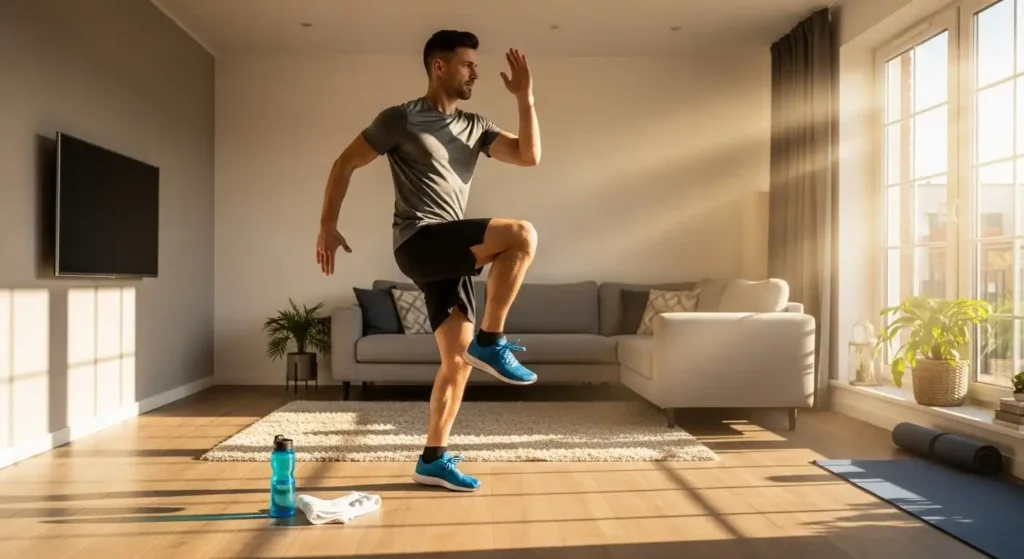
| 6 | High Knees | 40 sec | 20 sec |
| 7 | Bicycle Crunches | 40 sec | 20 sec |
| 8 | Bur-pees | 40 sec | 20 sec |
| 9 | Side Plank (each side 20 sec) | 40 sec | 20 sec |
| 10 | Squat Pulses | 40 sec | 20 sec |
Tip: Adjust intensity by slowing reps or extending rest to 30 seconds if needed.

How Often Should You Do It?
HIIT is demanding, so 2–4 sessions per week is typically sufficient for most people.
Balance HIIT with low-impact activities like walking, yoga, or stretching to aid recovery.
| Fitness Level | Frequency | Focus |
|---|---|---|
| Beginner | 2x per week | Learn form, build stamina |
| Intermediate | 3x per week | Increase intensity, shorter rest |
| Advanced | 4x per week | Add variations or weights |
Safety and Modifications
High intensity doesn’t mean high risk. Proper form and pacing reduce injury potential.
Safety Tips
- Warm up for 3–5 minutes before starting
- Use soft surfaces to protect joints
- Focus on form over speed
- Cool down and stretch after each session
Common Modifications
- Step squats instead of jump squats
- Knee push-ups instead of full push-ups
- March in place instead of high knees
How Many Calories Can You Burn in 15 Minutes?
Calorie burn depends on effort, age, weight, and fitness level.
Average estimates for a 15-minute HIIT session:
| Body Weight | Estimated Calories Burned |
|---|---|
| 125 lbs (57 kg) | 130–160 kcal |
| 155 lbs (70 kg) | 160–200 kcal |
| 185 lbs (84 kg) | 190–230 kcal |
4. What should I eat before and after HIIT?
Eat a light snack rich in carbs and protein (like banana with peanut butter) 30–60 minutes before. Replenish with a balanced meal after the session.
Key Takeaway
A 15-minute HIIT workout at home is a practical, evidence-backed way to stay fit with minimal time and space. The key is intensity, consistency, and proper recovery—not workout length. Even short bursts of focused effort can lead to measurable fitness gains over time.
Practical Tips for Better Results
- Track intervals with a timer app to stay consistent
- Maintain regular breathing during exertion
- Prioritize recovery and hydration
- Progress gradually by adding reps or shortening rest times