Introduction
Stretch and recovery are the unsung heroes of fitness progress. They’re the link between effort and results—the part that ensures your hard work in training actually pays off. At its core, stretch and recovery refer to what you do after movement to help your body repair, rebalance, and restore mobility. This includes intentional stretching, gentle movement, and practices that support muscle repair and flexibility.
When you train, your muscles experience microtears, your nervous system stays alert, and your joints handle repetitive stress. Without proper recovery, this stress can build up, leading to stiffness, fatigue, or even injury. Stretching helps offset that tension by lengthening tight muscle fibers, improving blood flow, and promoting a faster return to baseline. It also enhances range of motion, which makes every workout afterward feel smoother and more efficient.
Takeaway: Stretch and recovery help your body move better, heal faster, and feel lighter between workouts. A few minutes of intentional care after movement can prevent the kind of tightness and fatigue that slow your progress over time.
The Science Behind Stretching and Recovery
Stretching and recovery support the body’s ability to repair, move freely, and stay strong. When you stretch, muscles and joints respond with improved blood flow, flexibility, and relaxation, helping you bounce back faster from exercise or daily tension.
How it works: stretching activates sensors in muscles that regulate tension, increase circulation, and train the body to move through a greater range safely. During recovery, your body repairs microtears in muscle fibers and clears out waste from exertion. Gentle movement, stretching, and hydration speed up this process.
Research shows that stretching alone doesn’t eliminate soreness but enhances flexibility and long-term mobility when paired with rest, good sleep, and light activity. Dynamic stretches prepare the body for movement, while static holds after exercise aid recovery.
Takeaway: Consistent, well-timed stretching keeps muscles supple, reduces tightness, and supports faster recovery without overdoing it.

Types and Tools for Stretch and Recovery
Not all stretching is the same. Each type serves a specific purpose depending on when and how you use it. Mixing different methods gives your muscles the balance of mobility and relaxation they need.
Main types of stretching:
- Static stretching: Holding a position for 20 to 45 seconds helps lengthen tight muscles and improve flexibility. Best after workouts or before bed.
- Dynamic stretching: Controlled, movement-based stretches like leg swings or arm circles warm up muscles and joints. Ideal before workouts.
- PNF stretching (contract–relax): Alternating tension and release in a muscle improves range of motion quickly. Best used with guidance or experience.
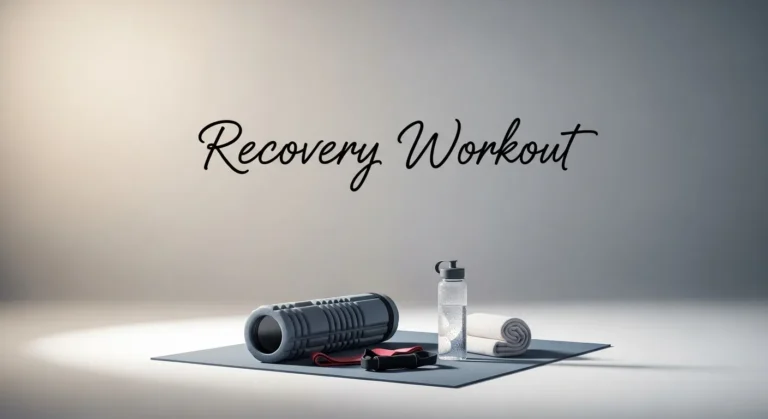
Recovery tools that enhance results:
- Foam roller: Relieves tightness by applying pressure to sore spots. Use before or after workouts.
- Massage ball or lacrosse ball: Targets small or deep areas like glutes or shoulders.
- Resistance bands: Assist in deeper stretches and mobility drills.
- Yoga mat: Provides comfort and stability for floor routines.
Using these tools turns stretching into an active recovery session rather than an afterthought. A few minutes of deliberate stretching with the right technique can restore muscle balance and keep you moving better every day.
Takeaway: Choose the stretch type and tool that fits your goal—dynamic for activation, static for release, and simple aids like foam rollers or bands to boost recovery.

When and How to Practice Stretch and Recovery
Stretch right after movement and on recovery days for the best results. Short, focused sessions done consistently are more effective than long, occasional ones.
When to stretch:
- After workouts: The best time for static stretches, when muscles are warm and more pliable. Spend 5 to 10 minutes targeting major areas used in your session.
- On rest days: Gentle full-body mobility or yoga-style sessions improve flexibility and reduce tension from daily movement or sitting.
- Morning or evening: Morning stretches wake up the body and joints, while nighttime routines calm the nervous system for better sleep.
How long and how hard:
- Hold static stretches for 20 to 45 seconds, repeat one to two rounds per muscle group.
- Use slow, controlled breathing to relax into each position.
- Stretch to the point of tension, never pain. Mild discomfort signals effectiveness; sharp pain signals stop.
Simple structure for effective sessions:
- Warm up with light movement for 2 to 3 minutes.
- Target 4 to 6 major muscle groups, holding each stretch evenly on both sides.
- End with deep breathing or gentle mobility moves to reset posture.
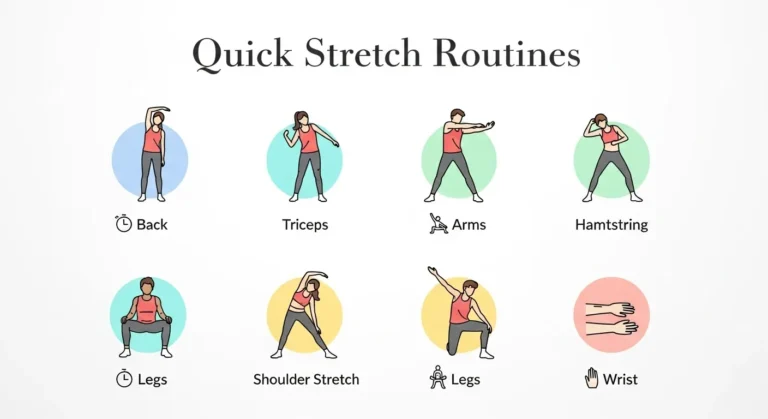
Quick routines to try:
- 10-minute full-body cooldown: Focus on hips, quads, hamstrings, and shoulders.
- 5-minute desk stretch: Relieves tightness from long sitting.
- Evening reset: Gentle holds to release tension and prepare for rest.
Building and Complete Recovery Plan
Stretching works best as part of a balanced recovery system that restores energy and supports muscle repair. Without it, progress slows and fatigue builds.
Key elements:
- Sleep: Get 7–9 hours to allow deep repair and hormone balance.
- Hydration: Drink water consistently to keep muscles supple and joints smooth.
- Nutrition: Eat enough protein and carbs for rebuilding and energy. Add anti-inflammatory foods like berries and greens.
- Active recovery: Light movement such as walking or yoga boosts blood flow and reduces stiffness.
Weekly rhythm:
- Alternate intense workouts with lighter or mobility days.
- Take one full rest day each week.
- Add short stretching sessions daily, even on off days.
Check your recovery:
- Track soreness, sleep, and energy levels.
- Watch for signs of overtraining like constant fatigue or joint pain.
Takeaway: Real progress happens between workouts. Combine stretching with rest, movement, and good habits to keep your body strong and ready.

Common Mistakes and Misconceptions
Gentle, consistent stretching beats aggressive effort. Prioritize quality over intensity, listen to your body, and use stretching as a tool—not a test—to support recovery and mobility.
Frequent mistakes:
- Skipping the warm-up: Stretching cold muscles increases strain risk. Always start with light movement to raise body temperature.
- Overstretching: Forcing a deeper stretch doesn’t improve flexibility faster—it can damage muscle fibers. Ease in and build range over time.
- Bouncing or jerking movements: Sudden motions activate muscle tension reflexes, making you tighter instead of looser.
- Neglecting weaker areas: Many people only stretch major muscles like hamstrings and quads. Include smaller stabilizers like hips, calves, and shoulders.
- Relying only on stretching: True recovery also needs rest, hydration, and proper nutrition. Stretching alone can’t offset fatigue or poor sleep.
Common myths:
- “Stretching eliminates soreness.” It reduces tension but doesn’t erase muscle damage from training.
- “More time means better results.” Consistency matters more than session length.
- “If it hurts, it’s working.” Pain signals strain, not progress.
Customizing Stretch and Recovery
Tailor your routine to your time, body, and goals. Small, consistent sessions that suit your life will always outperform long, irregular ones.
Busy schedule:
Do 5–10 minutes after workouts or before bed. Focus on major muscle groups and controlled breathing.
Limited mobility or recovery phase:
Use supported or seated stretches, move slowly, and stay within a comfortable range.
Active exercisers:
Pair dynamic stretches before workouts with static holds and foam rolling afterward.
At home or while traveling:
Bodyweight stretches and floor routines work anywhere—no gear needed.
Quick plans:
- Desk job: Shoulder rolls, chest openers, seated hamstring stretch.
- Runner: Calf, hip flexor, glute stretches post-run.
- Lifter: Shoulder mobility, hip openers, hamstring holds.