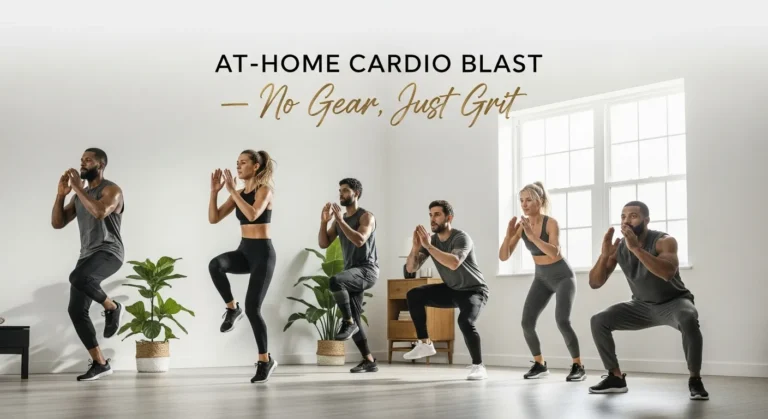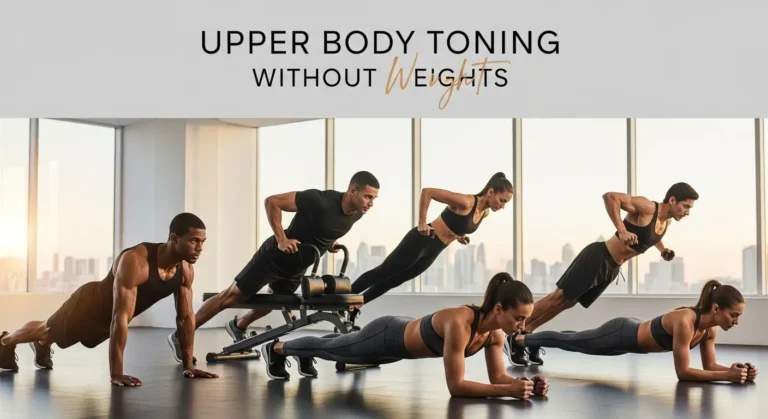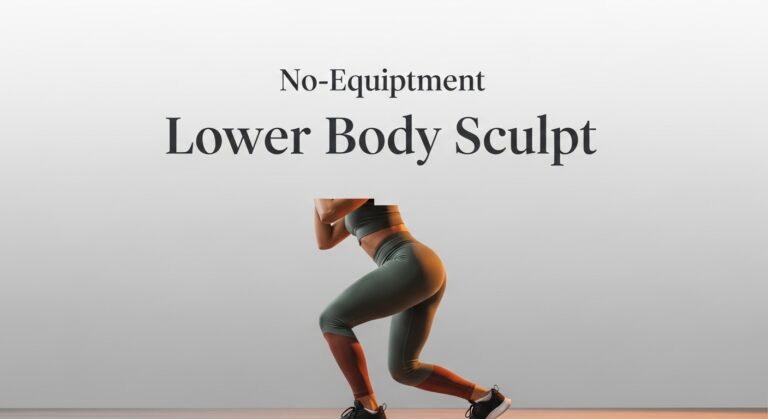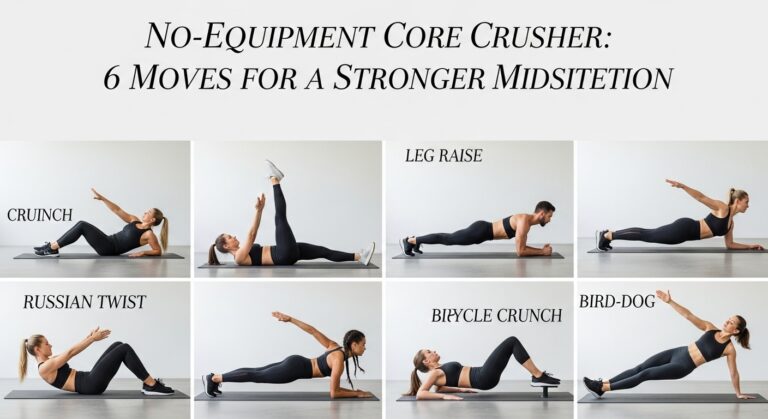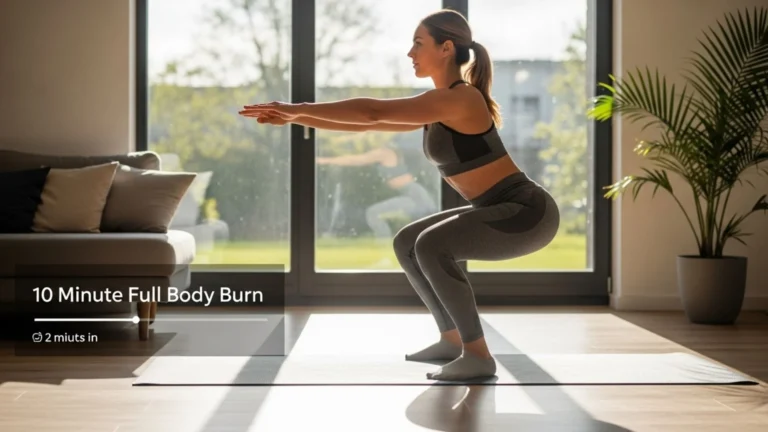
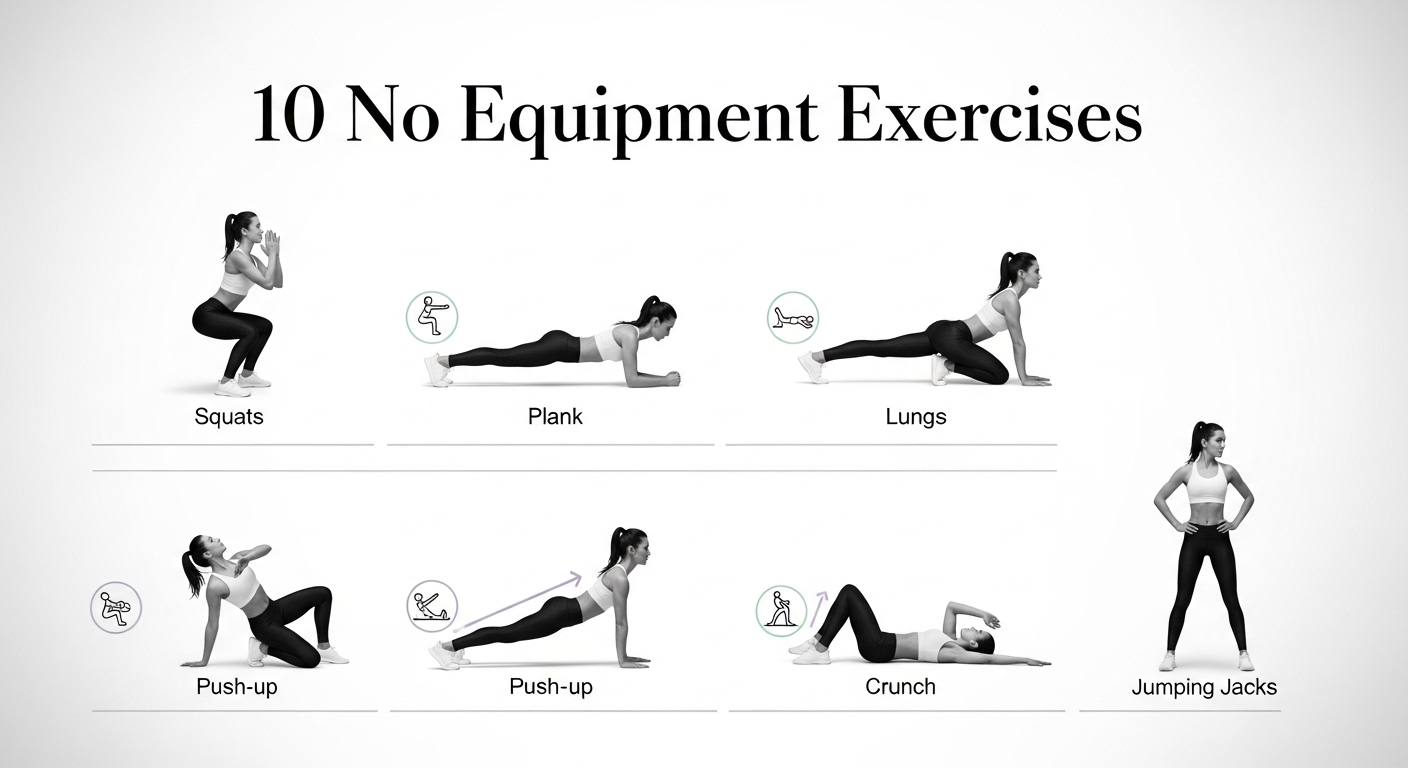
These ten no equipment exercises train your whole body at home using only body-weight. 5-Minute Fat-Burning Cardio Blast They improve strength, mobility, balance, and endurance, and each exercise can be scaled for beginners or intermediate users.
Introduction
Training your whole body at home is straightforward with the right bodyweight movements. These no equipment exercises target major muscle groups, support joint stability, and build functional strength without needing machines or weights. This guide explains ten essential exercises, how to perform them correctly, and how to structure them into a balanced full body routine. It also covers benefits, limitations, and common mistakes so you get consistent results.
| Exercise | How to Do It | Main Muscles | Easier or Harder Option |
|---|---|---|---|
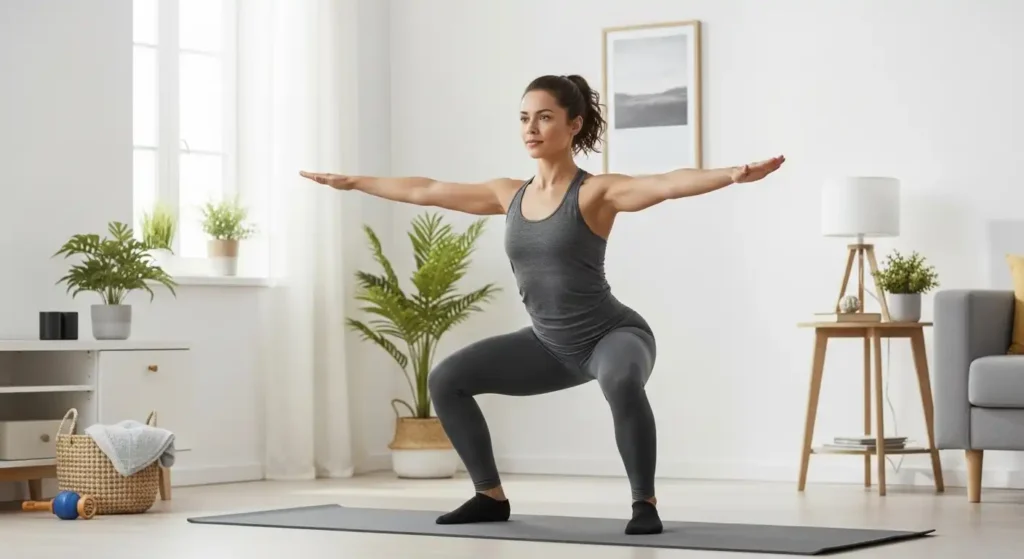
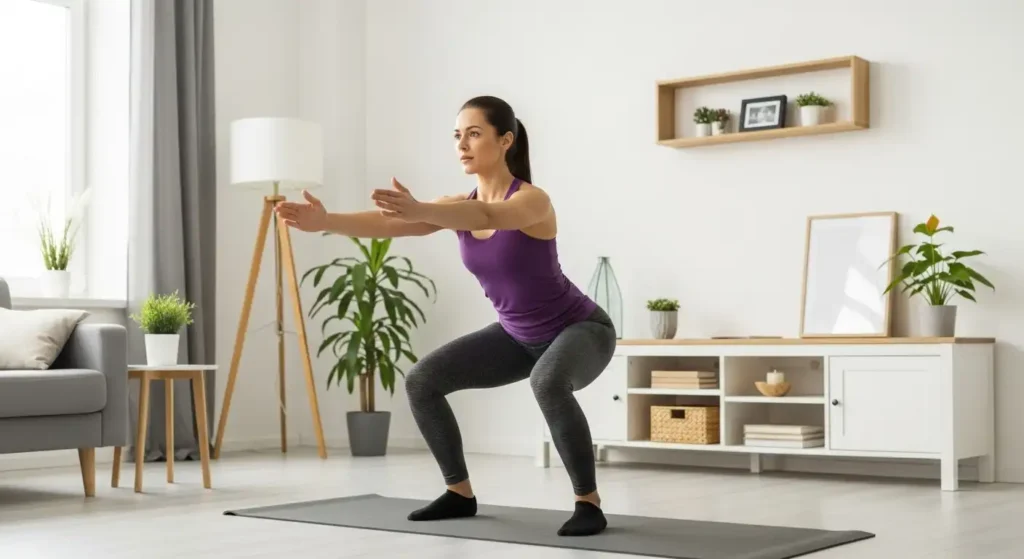
| Squats | Sit back, keep chest up, stand with control | Quads, glutes, hamstrings, core | Jump squats or shallow squats |
| Push Ups | Lower chest to floor from plank, press up | Chest, shoulders, triceps, core | Knee push ups or incline push ups |
| Burpees | Squat down, jump feet back, optional push up, jump up | Full body, cardio | Step back, remove push up |
| Mountain Climbers | From plank, drive knees forward quickly | Core, hip flexors, shoulders | Slow pacing or faster intervals |
| Plank | Hold straight body with core tight | Core, shoulders, back | Add taps or leg lifts |
| Walk Outs | Hinge forward, walk to plank, walk back | Core, hamstrings, shoulders | Partial walk outs |
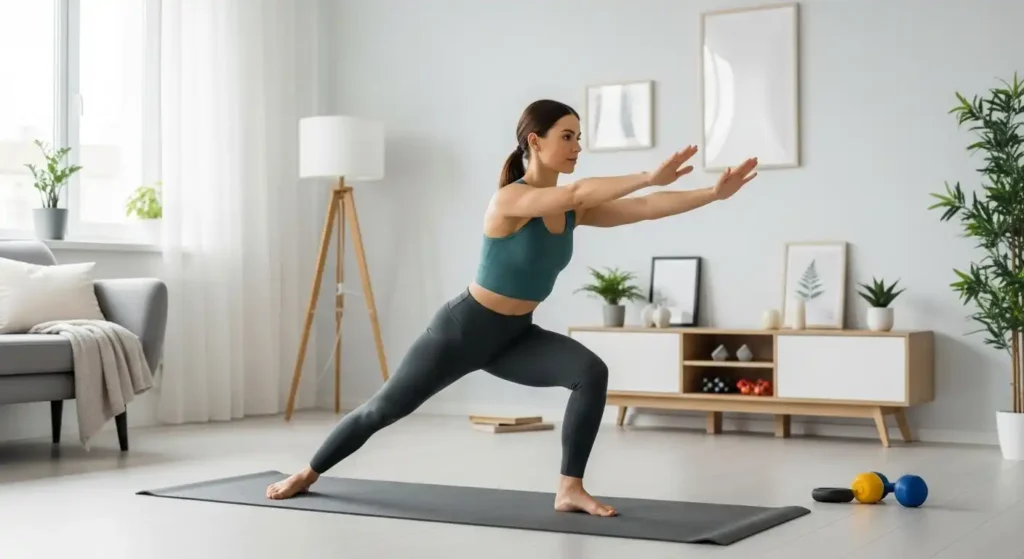
| Lunges | Step forward or backward, lower knees, return | Quads, glutes, balance | Reverse lunges or walking lunges |
| Bird Dog | Extend opposite arm and leg, switch | Core, back, glutes | Hold longer or slow tempo |
| Superman | Lift chest, arms, and legs off ground | Back, glutes, hamstrings | Pause longer or swimmer kicks |
| Plank Arm Reach | Reach forward one arm at a time | Core, shoulders, glutes | Add opposite leg lift |
How to Structure a Full Body Workout
Step-by-step calculation
Warm Up
Time needed: 5 minutes
Light cardio plus mobility.
Select Your Exercises
Choose 6 exercises from the list of 10.
Example:
- Squats
- Push ups
- Mountain climbers
- Lunges
- Plank
- Burpees
Set Work and Rest Timing
Work time: 30 seconds per exercise
Rest time: 20 seconds between exercises
Calculation:
6 exercises × 30 seconds = 180 sec (3 min)
5 rest periods × 20 seconds = 100 sec (1 min 40 sec)
Total per round:
3 min + 1 min 40 sec = 4 min 40 sec
Choose Number of Rounds
Beginners: 2 rounds
Intermediate: 3 rounds
Advanced: 4 rounds
Calculation example (3 rounds):
4 min 40 sec × 3 = 14 min total work time
Add Recovery Between Rounds
Rest 60 seconds between each round.
Calculation for 3 rounds:
Two rest breaks × 60 sec = 2 min
Cool Down
Time needed: 3 minutes
Basic stretches for legs, hips, chest, and back.
Final Total Workout Time
Warm Up: 5 min
Main Workout (3 rounds): 14 min
Round Rest Time: 2 min
Cool Down: 3 min
Total Duration:
5 + 14 + 2 + 3 = 24 minutes
If you want, I can also give
✔ A beginner version
✔ A 15-minute express version
✔ A printable table version
✔ A WordPress block version
Just tell me which you want.
Benefits and Trade Offs
No equipment workouts are convenient, flexible, and functional. They cost nothing and improve endurance, balance, and control. A common trade off is limited resistance, which may slow strength gains compared to weighted training. Form awareness becomes important to avoid unnecessary joint stress.
Benefits
- Works anytime at home with zero equipment cost.
- Builds strength, balance, and mobility using natural movement patterns.
- Easy to scale up or down with tempo, reps, or variations.
- Supports fat burn because multiple muscles work at once.
- Beginner friendly, no learning curve or gym setup needed.
Trade Offs
- Bodyweight resistance can feel limited for people who want faster strength gains.
- Progress may slow without structured variations or increased volume.
- Form mistakes, like dropping hips or rushing reps, can reduce results.
- Harder to isolate specific muscles compared to machines or free weights.
- Small spaces may restrict big movements like lunges or walk outs.
Common Mistakes
| Mistake | What Happens | Estimated Impact (%) |
|---|---|---|
| Rushing reps | Form breaks down and muscles do less work | 35 percent |
| Letting hips drop in planks or push ups | Extra pressure on lower back, weaker core engagement | 30 percent |
| Skipping warm up | Stiffness and reduced range of motion | 20 percent |
| Staying at the same difficulty too long | Progress slows and workouts feel repetitive | 25 percent |
| Holding breath during exercises | Tension increases and stamina drops | 15 percent |
| Overtraining without rest | Fatigue builds and performance decreases | 20 percent |