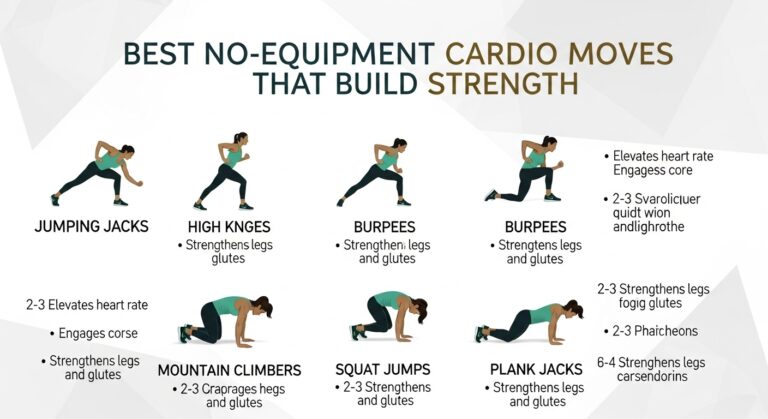
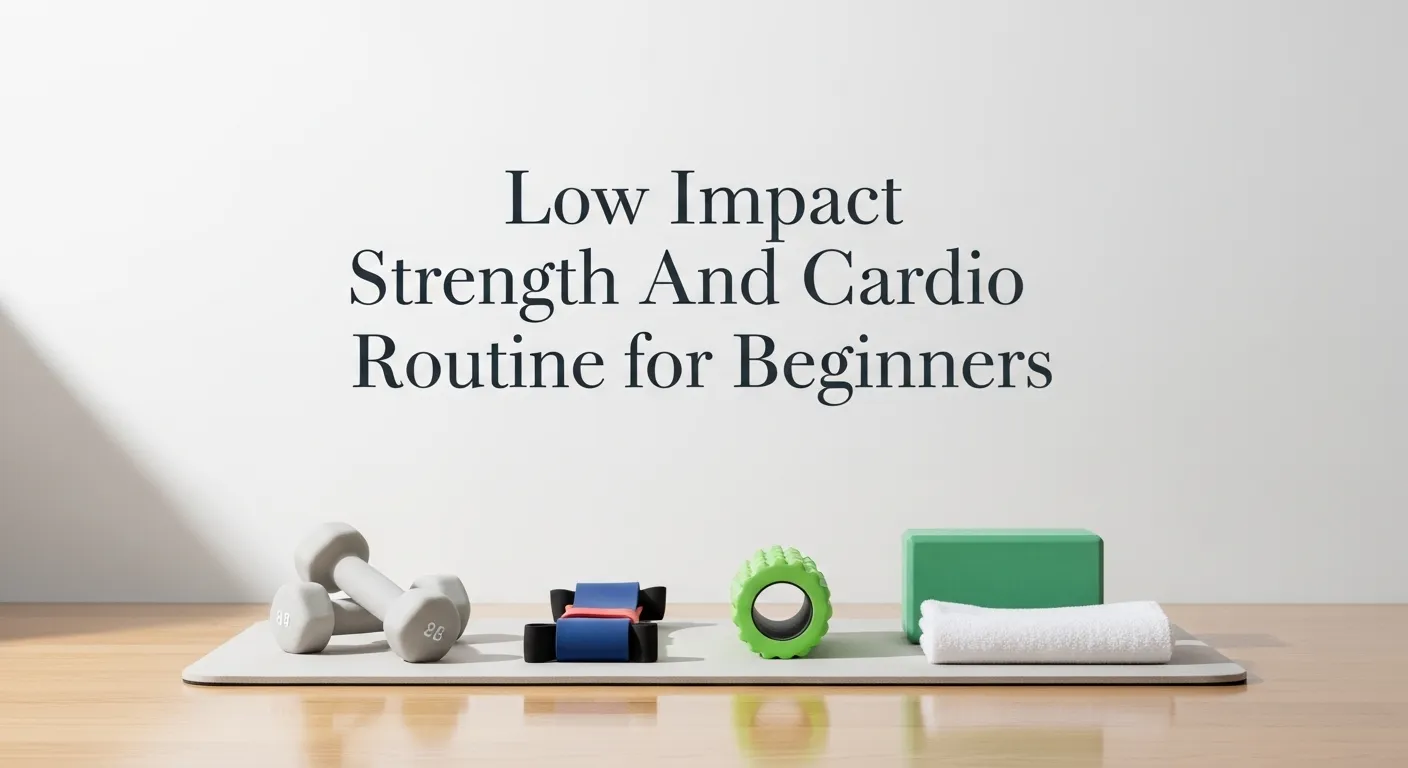
A low-impact strength and cardio routine builds muscle and boosts endurance without stressing the joints. It keeps movements controlled and feet grounded, making it ideal for beginners or anyone easing back into fitness. For a gentle way to recover after such workouts, check out the 7-Minute Post-Workout Recovery Flow.
In this guide, you’ll learn how to follow simple beginner routines, scale intensity safely, and stay consistent with short, effective sessions that fit a busy lifestyle.
The best results come from steady, consistent effort—not pushing too hard too soon. Listen to your body, stay consistent, and progress one step at a time.
Low-impact doesn’t mean low results. It’s a smarter, joint-friendly way to get strong, burn calories, and build lasting fitness habits.
Who Benefits Most And When to Use It
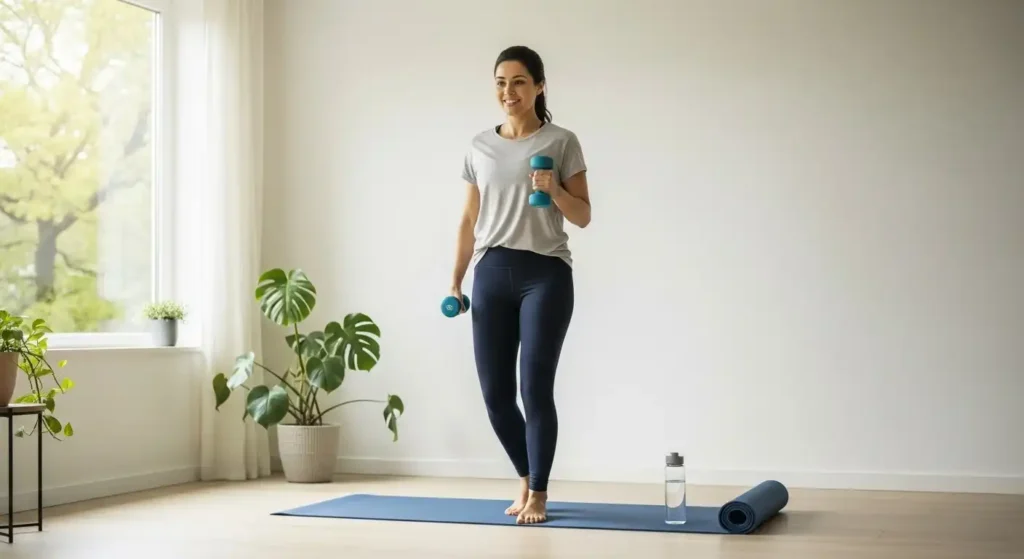
Low-impact strength and cardio routines are designed for anyone who wants to get fit without joint strain or high-impact moves. They’re especially helpful for beginners, older adults, or those returning to exercise after a break or minor injury.
You’ll benefit most if you:
- Have sensitive knees, hips, or ankles.
- Prefer smoother, controlled movements over jumping or sprinting.
- Are new to exercise and want to build a consistent routine.
- Need an efficient workout that fits into a busy schedule.
These routines also work well on active recovery days, helping your body recover while keeping your heart rate slightly elevated. They can complement higher-intensity sessions during the week or serve as a standalone fitness plan for steady progress.
Takeaway: Low-impact workouts suit almost anyone, offering strength, stability, and cardiovascular benefits without the stress or soreness that often comes with traditional training.
Core Principles and Safety Guidelines
Low-impact training focuses on moving with control, maintaining joint safety, and building strength through proper form. Even without jumps or heavy loads, you can still challenge your muscles and cardiovascular system effectively.
Key Principles:
- Stay grounded: Keep one foot on the floor to reduce joint stress and improve stability.
- Focus on form: Engage core muscles, maintain posture, and move through a full range of motion.
- Control tempo: Slow, steady movements increase muscle activation and reduce injury risk.
- Balance strength and cardio: Mix resistance-based moves (like squats or rows) with gentle cardio bursts (like step-taps or marching).
- Warm up and cool down: Spend 2–3 minutes before and after each session to loosen joints and support recovery.
Safety Tips:
- Stop immediately if you feel sharp pain or dizziness.
- Modify moves to match your comfort level—use a chair, wall, or resistance band for support.
- Stay hydrated and rest as needed between circuits.
Key Moves and Exercise Library
Low-impact doesn’t mean easy—it means efficient and joint-friendly. These exercises combine controlled strength training with gentle cardio to help you tone muscles and improve endurance safely.
Full-Body Strength Moves
- Squat or Sit-to-Stand: Strengthens legs and glutes. Keep feet flat and chest tall.
- Glute Bridge: Engages glutes and core. Squeeze at the top for one second before lowering.
- Reverse Lunge or Step-Back Lunge: Builds balance and leg strength. Step back gently and press through the front heel.
- Modified Push-Up (Wall or Knee): Works chest and arms while protecting wrists and shoulders.
- Resistance Band Row: Strengthens upper back and posture. Pull elbows close to your ribs.
10-Minute Low-Impact Strength and Cardio Routine
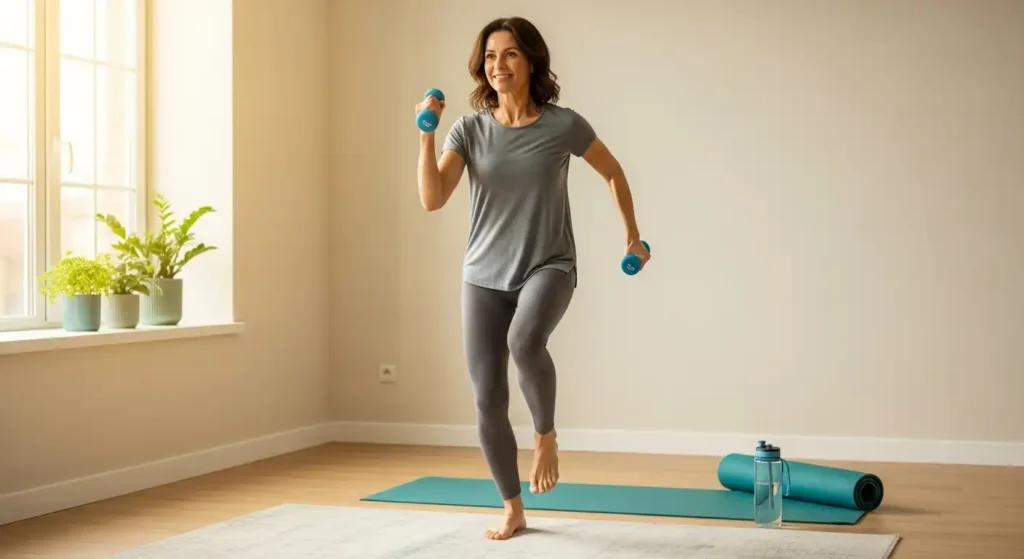
This short, joint-friendly workout blends strength and cardio for beginners who want results without strain. No jumping, no complex moves—just steady effort and smart pacing.
Warm-Up (2 Minutes)
- March in place
- Shoulder rolls
- Gentle side bends
- Mini squats
Main Circuit (7 Minutes)
Perform each move for 40 seconds, rest for 20 seconds, and repeat the circuit once.
- Bodyweight Squats – Strengthens legs and glutes.
- March with Arm Swings – Boosts heart rate while staying low-impact.
- Knee Push-Ups or Wall Push-Ups – Builds upper-body strength safely.
- Glute Bridge – Targets glutes and core.
- Standing Side Step Touches – Keeps heart rate up while engaging lower body.
- Resistance Band Rows or Towel Rows – Improves posture and back strength.
Cool Down (1 Minute)
- Gentle hamstring stretch
- Shoulder and chest openers
- Deep breathing
Pro Tip: If you’re just starting, complete one round. As your stamina grows, increase to two rounds for a balanced 15-minute session that tones muscles and improves cardio endurance.
How to Progress Safely
Starting slow helps your body adapt without soreness or fatigue. Progressing strategically keeps results coming while avoiding burnout.
Gradually Increase Duration
- Begin with one 10-minute round, then add 2–3 minutes weekly.
- Aim for 20 minutes per session within a month.
Add Light Resistance
- Use resistance bands, light dumbbells, or water bottles.
- Focus on controlled movement, not speed.
Boost Intensity Smartly
- Shorten rest breaks by 5–10 seconds.
- Add compound moves like squats with overhead press.
Track Progress
- Log reps or rounds weekly.
- Notice improvements in stamina, strength, or daily energy.
Common Mistakes to Avoid
Even low-impact workouts can lose effectiveness or cause strain if done incorrectly. Avoid these common pitfalls to stay safe and see progress.
1. Skipping Warm-Ups
Jumping straight into exercise tightens muscles and limits range of motion. Always start with 3–5 minutes of gentle movement like arm circles or step touches.
2. Moving Too Fast
Speed often sacrifices form. Slow, controlled reps activate more muscles and protect joints.
3. Ignoring Recovery
Beginners sometimes work out daily without rest. Take at least one full rest or active recovery day per week to rebuild strength.
4. Poor Posture and Alignment
Keep your spine neutral, core engaged, and shoulders relaxed to avoid strain on knees or back.
5. Neglecting Consistency
Doing one intense session won’t help long-term. Consistent effort, even in short bursts, brings lasting strength and endurance.
Takeaway: Quality beats quantity. Focus on form, pacing, and consistency to make low-impact strength and cardio both safe and effective.
How to Progress Safely
Once you’ve built consistency with your low-impact routine, gradual progression keeps your body adapting without overtraining.
1. Increase Duration Slowly
Add 2–3 minutes per session every 1–2 weeks. For example, move from 15 minutes to 18, then to 20.
2. Add Resistance
Use light dumbbells, resistance bands, or even water bottles to increase muscle challenge while staying joint-friendly.
3. Adjust Intensity
Incorporate short “push” intervals, like 30 seconds of faster-paced squats or brisk marches, followed by slower recovery moves.
4. Track Your Effort
Aim for an RPE (Rate of Perceived Exertion) around 6–7 out of 10—challenging but sustainable.
5. Rotate Movement Types
Mix upper and lower body days or alternate between cardio-focused and strength-focused sessions for balance.
Takeaway: Steady, mindful progress prevents burnout and keeps your workouts effective as your fitness grows.
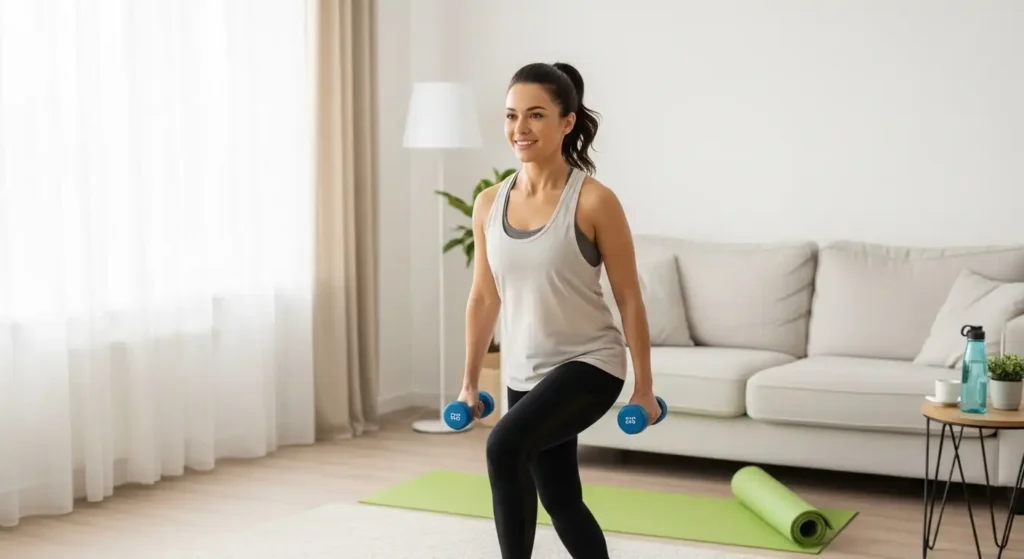
Common Mistakes Beginners Should Avoid
Starting a new routine can feel motivating, but a few missteps can slow your results or cause discomfort.
1. Skipping Warm-Ups and Cool-Downs
Even low-impact workouts need proper prep. Spend 3–5 minutes warming up with dynamic moves and finish with gentle stretching.
2. Going Too Hard Too Soon
Trying advanced exercises early can lead to fatigue or soreness. Master your form first, then build intensity gradually.
3. Ignoring Form
Focus on controlled movement instead of speed. Quality reps protect joints and build strength more effectively.
4. Not Resting Enough
Recovery allows muscles to rebuild. Aim for at least one full rest day between strength-focused sessions.
5. Lacking Consistency
A 10–15 minute daily habit is better than one long, inconsistent workout. Progress comes from repetition.
Takeaway: Avoiding these pitfalls helps you stay consistent, injury-free, and confident in your low-impact fitness journey.
Sample 15-Minute Low-Impact Strength AND Cardio Routine
This simple routine blends strength and cardio for a balanced, joint-safe workout. No equipment needed—just a mat and some space.
Warm-Up (3 minutes)
- March in place: 60 seconds
- Arm circles + torso twists: 60 seconds
- Bodyweight squats with slow reach: 60 seconds
Main Circuit (10 minutes)
Perform each move for 40 seconds, rest 20 seconds. Repeat the circuit twice.
- Squat to reach (strength + mobility)
- Step-back lunges (alternate legs)
- Standing shoulder press with or without weights
- Side step jacks (low-impact cardio)
- Glute bridge or wall sit (lower body hold)
Cool-Down (2 minutes)
- Seated hamstring stretch
- Shoulder rolls and deep breathing
Tip: Track how many reps you can do each round. Improvement in control or endurance shows real progress—even if the moves stay the same.
Tips to Stay Consistent and Motivated
Building a routine is easier when it fits your lifestyle and mindset. Small adjustments can keep you on track long term.
1. Schedule Short Sessions
Block 10–15 minutes on your calendar, ideally at the same time daily. Morning or evening—whatever you can stick to consistently.
2. Track Small Wins
Note improvements in energy, mood, or endurance, not just physical changes. Progress isn’t only about appearance.
3. Mix It Up
Alternate between routines to keep it fresh. Try different low-impact moves like step-ups, wall push-ups, or mini-band walks.
4. Set Realistic Goals
Start with manageable goals, like completing three workouts a week. Gradually build from there.
5. Reward Yourself
Pair your workout habit with a positive cue, like a playlist, podcast, or post-workout smoothie.
Takeaway: Consistency comes from simplicity. Keep workouts short, enjoyable, and easy to repeat until they become second nature.